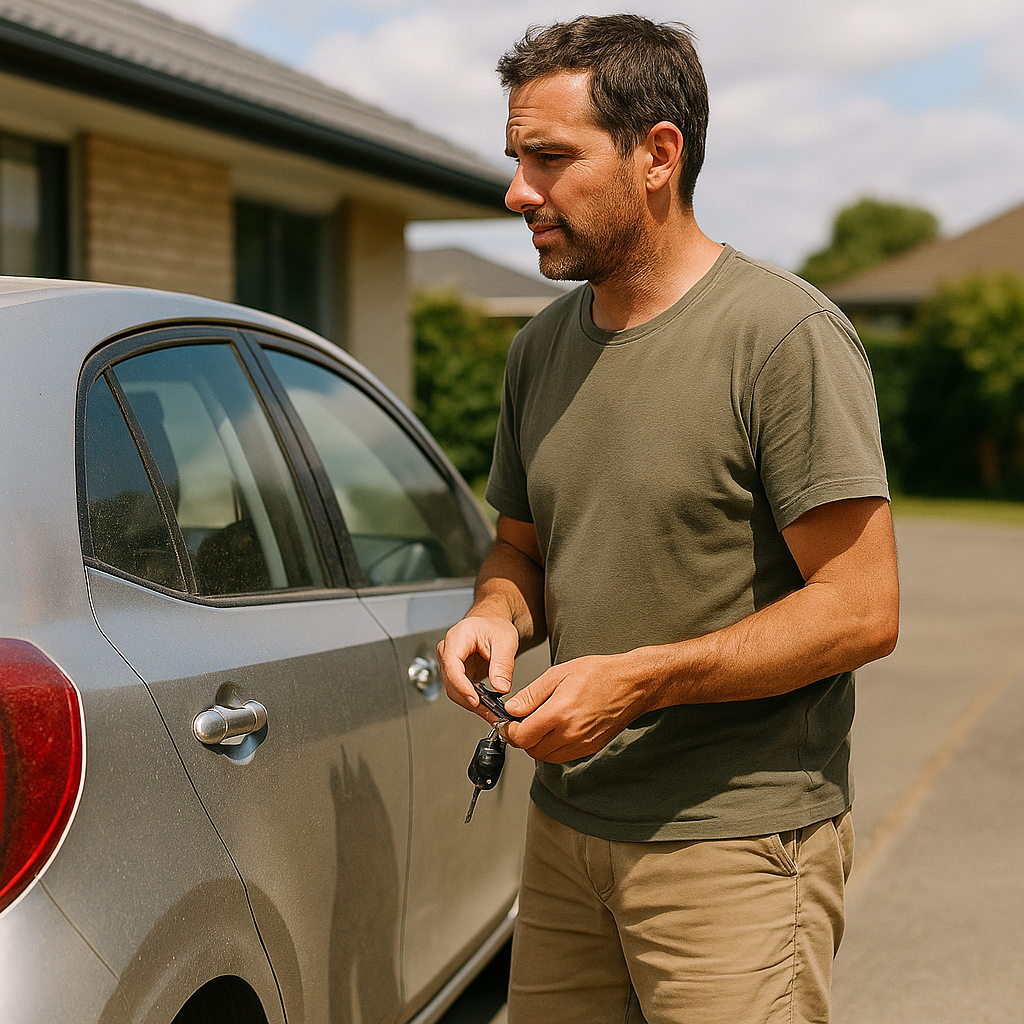
Choosing whether to secure your personal loan with your car comes down to one honest question: Are you willing to risk losing your vehicle for a lower cost of borrowing? If keeping your car on the road is non-negotiable—maybe you have a regional commute, or family logistics make public transport impossible—this is a big call. On the other hand, if your top goal is to reduce your overall loan cost and you’re confident in your ability to repay, using your car as security is often the path to a better rate and terms with most digital-first lenders in New Zealand, including Nectar.
Common tripwire: don’t underestimate the impact of missing repayments. Under NZ law, your lender can start the repossession process if things go sideways. This is not an empty threat—a secured loan is just what it sounds like: the car is genuinely at risk.
The total cost of a secured personal loan in NZ isn’t just about a single interest rate or a headline special. Key things affecting the cost include:
An under-discussed NZ factor: regionality. In the South Island’s more remote areas, holding onto your car isn’t just preference—it’s a necessity. For Aucklanders balancing car share or public transport options, the equation can be different.
Don’t fixate just on the interest rate—always calculate the total cost including all fees, over the specific loan term. NZ lenders must disclose these, so use a calculator (like this one from Nectar) to see your true costs before deciding to use your car as security.
| Situation | Usually better fit | Why or trade-off |
|---|---|---|
| Need lowest possible rate and stable income | Secured loan with car | Lower rates, but car at risk if you default |
| Small borrowing, flexible needs | Unsecured personal loan | Simpler, quicker process, car stays untouched |
| Own car needed for work/school & non-negotiable | Unsecured or alternative | Avoids risk of losing essential transport |
| Car is old/imported, value hard to verify | Unsecured or mixed solution | May not qualify as security or attract high loan cost |
| funding timing depends on approval and verification but lots of paperwork tricky | Unsecured with digital lender | Less document hassle, but check for higher rates/fees |
| High existing debts, looking to consolidate | Secured can sometimes help | Larger loan limits, but only if car qualification passes |
Picture a regional commuter who depends on their single car to get to work, school pickups, and groceries—there’s no practical bus route. A necessary dental procedure pops up, and the upfront cost is out of reach. Borrowing against the car as security with a lender like Nectar could offer a lower rate and manageable repayments, given a strong recent job history and no missed payments showing on their NZ credit record. However, the family’s entire routine relies on that car running. If the repayments ever became unmanageable—say, because of unexpected underemployment or costly repairs—the risk is a lost vehicle and a much bigger problem.
In this case, the mental model is: “If losing this car would cause more harm than the loan’s interest savings would help (after checking total costs), think twice. Sometimes it’s safer to pay slightly more upfront for peace of mind.”
There are clear scenarios when a secured personal loan with a car is not the best route:
If any of these fit, compare unsecured loans (Nectar offers both options) or even check if your bank’s overdraft works out cheaper for genuinely short lifecycles.
Nectar offers a digital-first secured personal loan process, with personalised loan quotes potentially available in as little as 7 minutes, depending on the information you provide. If your car qualifies (usually a late-model, New Zealand-new vehicle with an up-to-date WOF and clear ownership), rates can be more favourable, and the documentation process is designed for NZ remote upload (no office visits needed). If you hit a decision wall, check Nectar’s personal loan comparison page to see if a secured or unsecured option fits better for you.
Mid-article call to action: Ready to weigh the true cost for your situation? Use Nectar’s calculator for a no-commitment comparison now.
Before putting your car on the line, carefully compare both the cost and the risk. Check your unsecured and secured loan rates using Nectar’s digital process here: Compare your options with Nectar.
* Nectar Money offers competitive unsecured personal loan rates with fixed interest rates from 7.95% to 29.95% p.a., based on your credit profile. A $240 establishment fee and $1.75 administration fee per repayment apply. Strong Credit borrowers may qualify for low, competitive rates from 7.95% to 11.95% p.a.; Good Credit borrowers may qualify for rates from 14.95% to 22.95% p.a.; and Fair or Developing Credit borrowers may qualify for rates from 24.95% to 29.95% p.a. The broad range helps Nectar offer low interest rates to borrowers with excellent credit, while also providing loan options for more New Zealanders, including borrowers with fair or developing credit profiles. Learn more here.
All loans are subject to responsible lending checks and standard borrowing criteria. Please see our privacy policy and rates and terms, or visit our FAQs for the most up to date information. This publication is provided for general information purposes only and does not constitute legal, tax, financial, or other professional advice from Nectar Money. It is not intended as a substitute for obtaining advice from a financial adviser or any other qualified professional. We make no representations, warranties, or guarantees, whether express or implied, that the content in this publication is accurate, complete, or up to date.