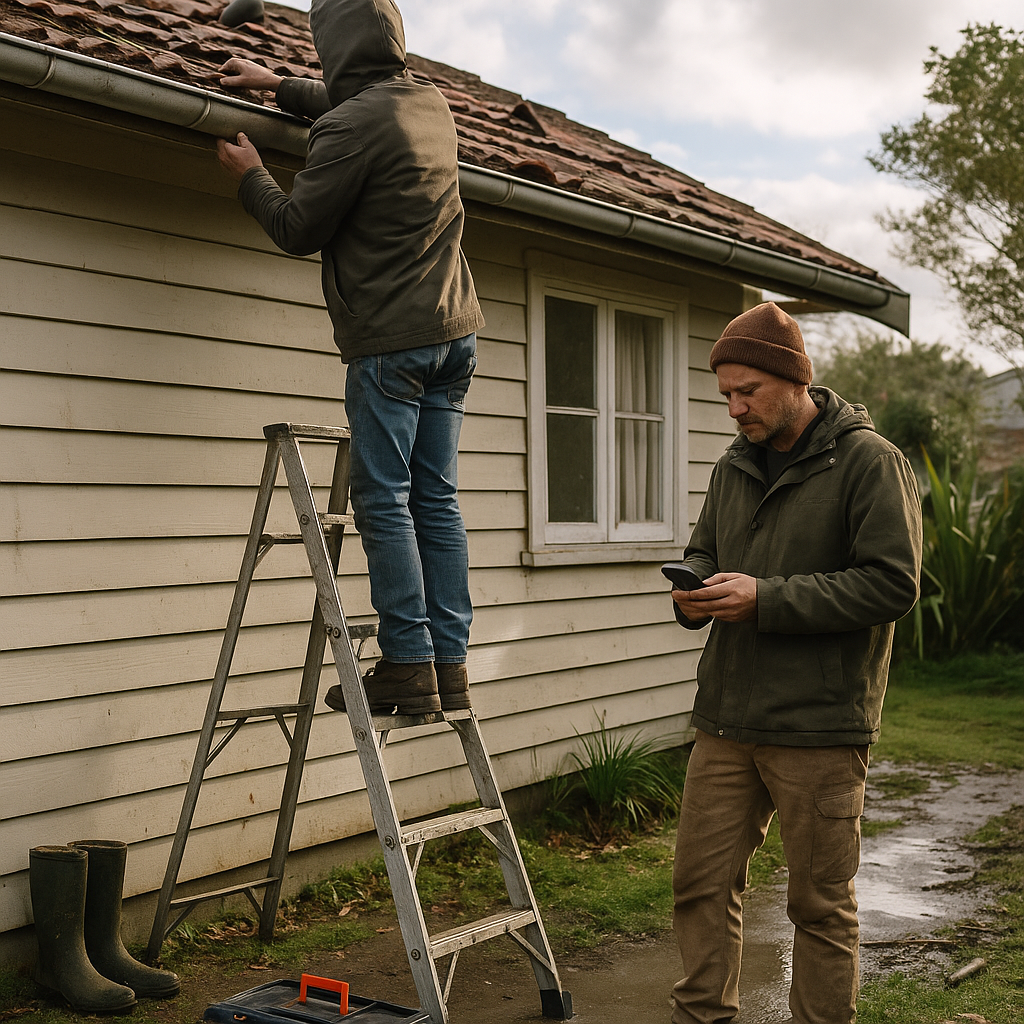
After a New Zealand storm, the choice to take a personal loan to cover home repairs is rarely just about the cash up front—it’s about balancing real risks: delay, damage escalation, and household cash flow. Insurance can take weeks, might only partially pay out, and high excesses can leave you exposed. When further damage would quickly create bigger bills or health risks, or when living conditions are compromised, a personal loan to bridge the gap makes practical sense. Otherwise, even with NZ’s variable weather, you may be able to wait out insurance if the risk is minimal and you have a way to safely contain the damage.
The core borrower decision:
Is the total cost of borrowing (interest, fees, repayments) lower than what you risk if you delay repairs or patch things up temporarily? In other words: when does borrowing avoid future cost, hassle, or risk that’s worse than the loan itself?
This isn’t just a maths problem: it also reflects your household’s cashflow resilience, whether you can handle a short-term higher repayment, and what local requirements or supply shocks you’re likely to face. For example, a builder’s repair backlog or building consent requirements can mean that waiting, or going without repairs, simply isn’t viable.
Personal loans aren’t all created equal, and a responsible NZ borrower knows the headline rate is only part of the story. Here’s what can really change your eventual out-of-pocket cost:
| Situation | Usually better fit | Why or trade-off |
|---|---|---|
| High insurance excess or delay, urgent risk | Personal loan | Fast, structured funding to stop escalation; known repayments |
| Partial insurance coverage with safety concerns | Personal loan (bridge) | Clears urgent risk, possibly paid down if payout arrives |
| Small repairs, no urgency | Overdraft/savings | Lower fees/interest, more flexible, easier to clear |
| Repair costs are unpredictable | Personal loan (buffer + check) | Prep for over-runs, but higher possible total cost |
| Large improvement projects | Home loan top-up | Lower rate but stricter approval, property security, and process |
| No safety/damage risk, repair can wait | Wait for insurance | Avoids interest/debt, only makes sense if escalation won’t occur |
| Repeat-storm/high risk zone | Explore grants/council aid | Avoids debt layering, non-repayable support if eligible |
A Wellington homeowner wakes up to find part of their carport roof collapsed after a southerly storm. Rainwater pools against the house wall, and interior mould has started from the damp. Insurance, after the recent weather, is running weeks behind in processing claims—and the excess for roof work is thousands. The builder can do an urgent patch, but the full job must wait until council clearance, and supply time for roofing iron is uncertain. Household savings were used up after last year’s winter repairs. The bank overdraft is near its ceiling due to higher winter utility bills.
They weigh their options:
NZ-specific constraint: In some NZ regions, storms can cause weeks-long delays in both trades and materials—if you borrow, add a margin for overtime charges or substitute supplies if your repair is time-critical or you’re competing with dozens of other households.
There are times when even a fast personal loan is not the answer:
Decision rule: Only take the loan when the total expected cost of waiting—either in direct damage, health issues, or stress—plainly outweighs the full cost (interest + fees + disruption) of borrowing now. Don’t rush if the damage is safely contained and better options exist.
Nectar is set up to take some of the post-storm stress out of the process: fast, personalised loan quotes may be available in as little as 7 minutes, depending on the information provided. The digital-first platform helps you compare actual costs, scan and upload the documents you’ll need (ID, proof of income, and repair quotes), and see repayment estimates that you can align with your household budget. No referral games or mystery extra charges—see clear rates and all relevant terms before you decide.
With early repayment flexibility, if your insurance payout finally lands, you can clear the loan balance without penalty. Responsible lending checks are designed to ensure the loan fits your circumstances—approval and funding rely on your documentation, income, and real ability to afford repayments. If you’re not sure which option is best, you can contact Nectar directly for guidance or browse the FAQ for more on documents, timing, and assessment.
If you face storm repairs and need a decision fast—without shortcuts on assessment or transparency—start with a personal loan quote. Checking your numbers is private and non-committal, and you’ll know what’s required upfront.
If you have your documents ready, personalised loan quotes may be available in as little as 7 minutes, depending on the information provided. Approval and funding still depend on assessment and normal banking steps.
No, but you should keep paperwork for both processes separate. Most insurers in NZ expect you to stabilise your property as soon as possible—using a loan for urgent repairs is often seen as responsible, provided you document expenses.
Not usually, but it’s prudent to choose a NZ-registered builder or tradie. Lenders and insurers may both want to see that quotes are from reputable providers with current certifications and GST numbers.
With lenders such as Nectar, you can pay back the loan early (in part or full) with no added penalty. This can reduce overall interest if the payout comes in soon after repairs.
Definitely. Stacking debt for repeat events is a real risk for some NZ homeowners—before taking a second or third loan, explore council support or independent help via MoneyTalks or your regional authority. Repeated borrowing can quickly become unsustainable if weather events make repairs unpredictable.
Ready to check if a personal loan truly fits your storm repair needs—before you commit? Use Nectar’s personal loan calculator and view clear terms so you can size up repayments, documents, and trade-offs ahead of time.
Check your rate and see real options for covering storm repairs with clarity and confidence.
* Nectar Money offers competitive unsecured personal loan rates with fixed interest rates from 7.95% to 29.95% p.a., based on your credit profile. A $240 establishment fee and $1.75 administration fee per repayment apply. Strong Credit borrowers may qualify for low, competitive rates from 7.95% to 11.95% p.a.; Good Credit borrowers may qualify for rates from 14.95% to 22.95% p.a.; and Fair or Developing Credit borrowers may qualify for rates from 24.95% to 29.95% p.a. The broad range helps Nectar offer low interest rates to borrowers with excellent credit, while also providing loan options for more New Zealanders, including borrowers with fair or developing credit profiles. Learn more here.
All loans are subject to responsible lending checks and standard borrowing criteria. Please see our privacy policy and rates and terms, or visit our FAQs for the most up to date information. This publication is provided for general information purposes only and does not constitute legal, tax, financial, or other professional advice from Nectar Money. It is not intended as a substitute for obtaining advice from a financial adviser or any other qualified professional. We make no representations, warranties, or guarantees, whether express or implied, that the content in this publication is accurate, complete, or up to date.