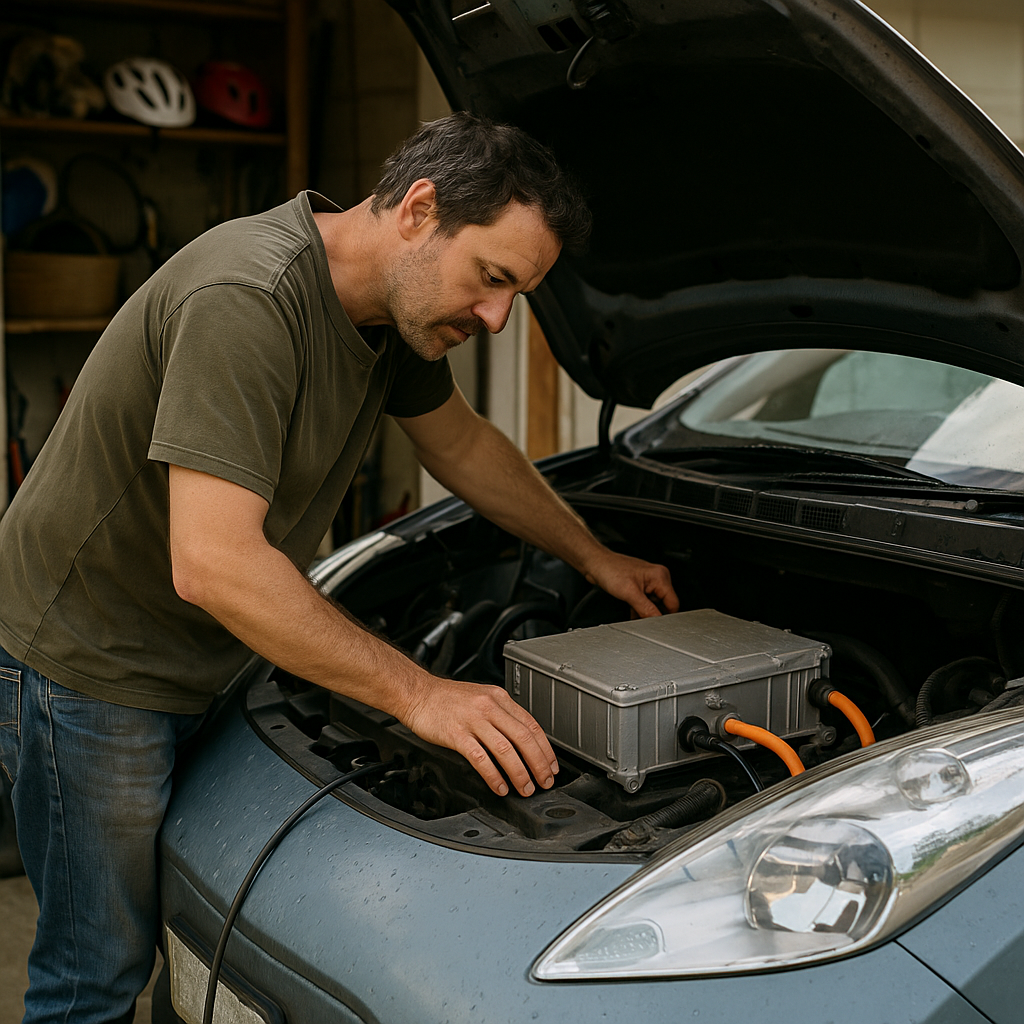
Replacing an EV battery is one of the biggest single bills a New Zealand car owner can face, especially once vehicles drop out of warranty or imported models lose support. With more used imports and older EVs on the road, regional owners in particular are being caught off guard—and for many, the car is an essential tool, not a luxury.
The main finance options when the bill arrives are:
Your choice will affect not just your next WOF or commute, but also your car’s resale value, ability to switch vehicles, and how predictable your cashflow remains.
A personal loan and a car-finance top-up can look similar on the surface—but beneath the weekly payment, key differences stack up:
Tip for Kiwi drivers: “Never judge a loan by its weekly payment alone. Always stack up all fees, end-of-term risks, and your likelihood to repay early or sell, especially for an ageing EV.”
| Situation | Usually better fit | Why or trade-off |
|---|---|---|
| Outright owner with sudden battery failure | Personal loan | Keeps car debt-free; separates battery cost; fast digital |
| Still paying off dealer/finance and out of warranty | Dealer/car finance | Can bundle cost but often higher exit/balloon risk |
| Regional/rural driver without local dealer support | Personal loan | Digital, wide eligibility, no need for franchise dealer |
| Plan to sell car soon post-repair | Personal loan | Easier to clear loan separately; avoids registration tangles |
| Non-essential car or have family/backup transport | Wait or save | Avoids new debt; time for prices or tech to improve |
A regional North Island tech worker has a used EV recently out of warranty. The range drops dramatically after an unexpected battery incident. The car is still being paid off via dealer finance, but the dealer won’t cover battery replacement under the existing loan. The nearest service centre is over an hour away. Public transport isn’t an option, and their job site is unreachable by foot or bike.
They face three options: 1. Roll the battery bill onto an updated vehicle loan, which comes with a large end-of-term balloon and alters car title with NZTA. 2. Take a personal loan using an online lender. This leaves car registration clear and allows the owner to repay at any time if the car is sold or written off. 3. Wait, borrow a family car, carpool, or work remotely for a few months and save to pay the bill outright.
They use a Nectar calculator to map out all total costs. After a quick digital application (personalised loan quotes may be available in as little as 7 minutes, depending on the information provided), they find the personal loan keeps things simple: no balloon, no dealer paperwork, and easier to resell if range woes reoccur.
They do a final check: Could a few months of saving, or downsizing vehicles, do the job cheaper? In their case, the recurring need for reliable transport justifies a new loan—but only after comparing all angles.
Need to see your real options? Try Nectar’s digital quote tool and see side-by-side comparisons.
A personal loan isn’t always the savviest move. Step back and consider:
Avoid loans (personal or vehicle) if the car might not see out the full payment term or if debt would destabilise the rest of your week-to-week budget. Rising rates, changing resale values, and new models or subsidies can rapidly shift the equation—borrow with caution.
Nectar offers digital-first finance solutions tailored for NZ borrowers, including those facing the challenge of EV battery bills. Here’s how they fit into the picture:
Nectar helps Kiwis make clear, practical car finance decisions—especially when unique NZ road, repair, and resale realities are at play.
Check out Nectar’s personal loans or visit the full car loans guide for detailed NZ guidance.
Yes. Personal loans are typically unsecured and can be used for repair costs like a battery, keeping your car’s title and registration separate from the loan.
Sometimes, but not often—standard insurance usually covers damage, not wear or capacity loss. Warranties for new NZ EVs may run 5-8 years, while used/import cars can be out of warranty earlier. Always check first.
Expect to provide photo ID, proof of address, and digital banking statements. Having these ready speeds up the quote and assessment process.
A balloon payment lets you lower weekly repayments but means a big payment at the end—which must usually be settled before switching, selling, or trading down. It’s riskier if your car’s value or your ability to pay changes.
If your car isn’t essential and waiting would not disrupt your work or family life, saving cash may reduce risk—especially as battery tech, resale prices, and ownership costs for EVs keep shifting in NZ.
Need a realistic path to get back on the road, or just want to see how your options stack up? Run your numbers with Nectar’s loan calculator or get a personalised online quote now.
Check your rate securely online and compare all the costs before deciding on your next big repair bill.
* Nectar Money offers competitive unsecured personal loan rates with fixed interest rates from 7.95% to 29.95% p.a., based on your credit profile. A $240 establishment fee and $1.75 administration fee per repayment apply. Strong Credit borrowers may qualify for low, competitive rates from 7.95% to 11.95% p.a.; Good Credit borrowers may qualify for rates from 14.95% to 22.95% p.a.; and Fair or Developing Credit borrowers may qualify for rates from 24.95% to 29.95% p.a. The broad range helps Nectar offer low interest rates to borrowers with excellent credit, while also providing loan options for more New Zealanders, including borrowers with fair or developing credit profiles. Learn more here.
All loans are subject to responsible lending checks and standard borrowing criteria. Please see our privacy policy and rates and terms, or visit our FAQs for the most up to date information. This publication is provided for general information purposes only and does not constitute legal, tax, financial, or other professional advice from Nectar Money. It is not intended as a substitute for obtaining advice from a financial adviser or any other qualified professional. We make no representations, warranties, or guarantees, whether express or implied, that the content in this publication is accurate, complete, or up to date.