

 0800 855 888
Boat loans in NZ: how to compare finance and the real cost of ownership
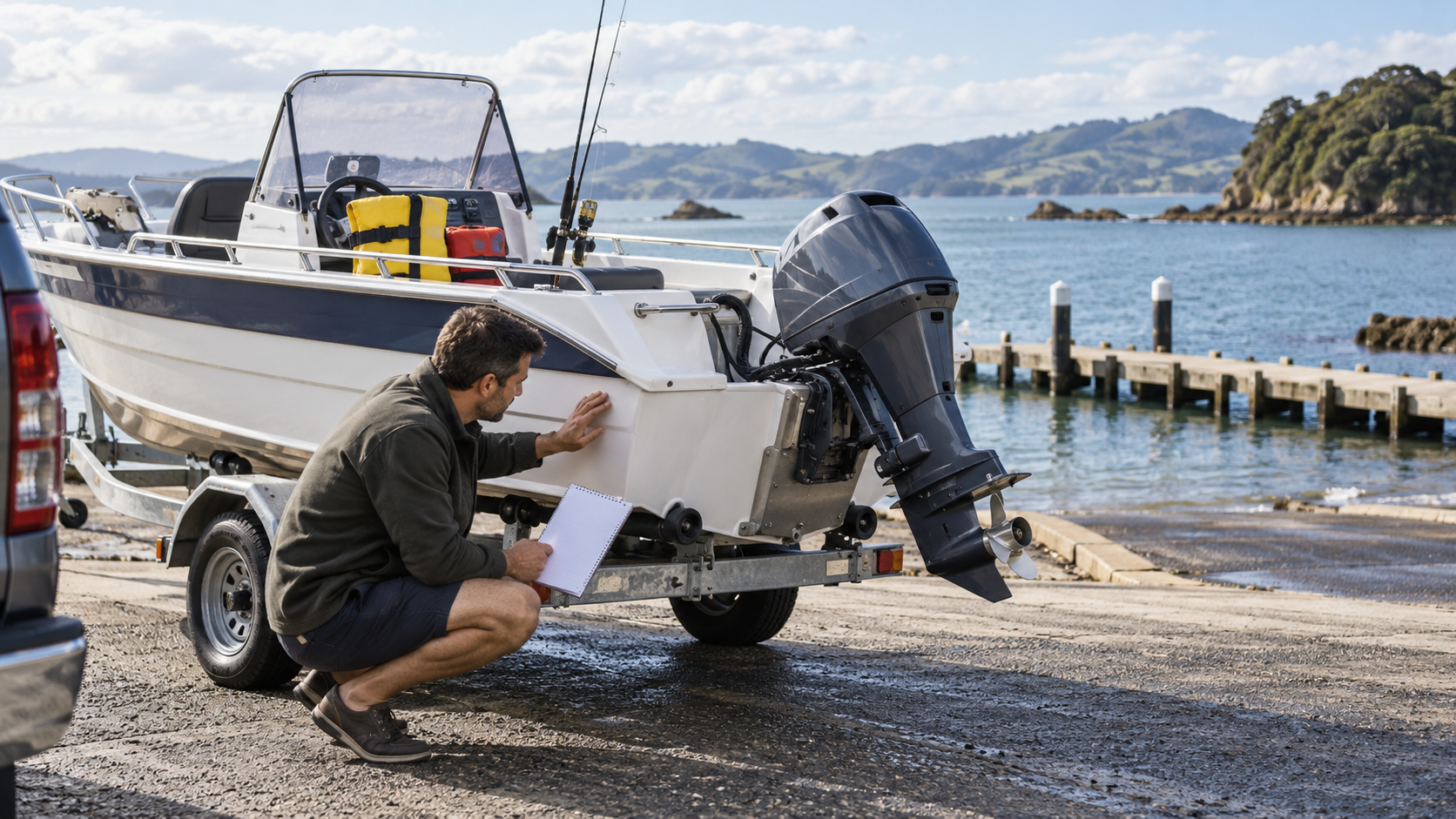
Buying a boat usually turns out to be a decision about more than the purchase price. If you are thinking about borrowing to buy a recreational boat in New Zealand, it pays to look at the finance and the boat itself together, so you can see what the purchase will really ask of your budget.
A sensible choice is one that fits both your plans on the water and the money you can comfortably keep aside each month.
Start with the full purchase budget
First, list every cost involved in getting the boat ready to use.
That may include:
- the purchase price
- inspection or survey costs, where relevant
- any paperwork, trailer licensing or local permit costs that apply
- insurance quotes
- fuel
- safety gear and equipment
- storage or mooring
- ongoing maintenance and servicing
- repairs, especially if the boat is older or has been sitting unused
It is easy to focus on the sticker price and miss the rest. A boat that looks manageable at first can become expensive once you add storage, servicing and the safety items needed to use it properly.
Maritime NZ says recreational craft should be seaworthy, with appropriate working safety equipment and knowledge for the trip. Read the current guidance here: Maritime NZ rules and safety.
Check the boat as carefully as the borrowing
A loan can help you buy the boat, but it does not tell you whether the boat is worth what you are paying.
Look closely at:
- the boat’s age and condition
- whether it has a recent inspection or survey
- engine hours and service history
- whether there are signs of corrosion, water damage, or poor maintenance
- what repairs may be needed soon after purchase
- whether the boat suits the places and conditions you plan to use it in
A lower-priced boat can still be costly if it needs work straight away. Comparing the asking price with likely first-year ownership costs can give you a clearer picture than the price alone.
Compare finance options in writing
If you are borrowing, ask for the terms in writing so you can compare them properly. Consumer Protection explains different loan types and how to check borrowing options here: Loans and lenders.
Sorted also explains the parts that affect the total cost of a personal loan, including fees, term and security: Personal loans.
When you compare offers, look for:
- the total amount you would repay over the full term
- all fees and charges
- the loan term
- repayment frequency
- whether the loan is secured or unsecured
- what happens if you miss a payment
- whether early repayment is allowed and whether any fee applies
The key figure is not just the amount you borrow. It is the total payable over time.
Ask whether the loan can be used for a boat
Not every personal loan is suitable for every purpose. If you are considering borrowing through a lender, ask them directly whether a boat purchase is a permitted purpose and whether any security or boat-specific conditions apply.
Do not assume that a product used for one type of purchase will automatically suit a boat. Ask the lender to confirm the permitted purpose, the security required, and any conditions attached to the boat itself.
If you want to read Nectar’s general personal loan information, start here: Nectar personal loans.
For current terms, see: Nectar rate and terms.
Nectar’s general calculator is an estimate tool only, and not a dedicated boat finance calculator or approval decision: Nectar calculator.
Borrowing is not the only option
Saving longer can be a practical alternative if the boat is not urgent. Waiting may let you:
- buy with less debt
- choose a better-fitted boat
- build in more money for maintenance, storage and safety gear
- avoid stretching your household budget for a discretionary purchase
For some buyers, a smaller boat or a simpler setup may be a better fit than taking on a larger loan and higher running costs.
A simple comparison checklist
Before you decide, compare each option on the same basis:
- Purchase price
- Likely repair or setup costs
- Insurance
- Storage or mooring
- Fuel and safety gear
- Loan fees, term and total payable
- Whether the lender accepts the boat as a permitted purpose
- Whether the boat itself is worth the price and fit for use
FAQ
Can I use a personal loan to buy a boat?
Sometimes, but you should ask the lender to confirm whether boat purchase is a permitted purpose and whether any security or conditions apply.
Is the cheapest monthly repayment always best?
Not necessarily. A longer term can lower the regular repayment but increase the total payable.
Should I inspect the boat before borrowing?
Yes. It is wise to check the boat carefully before you commit to either the purchase or the loan.
Next step
If you are weighing up a boat loan, gather the full cost of ownership first, then ask for a written loan quote and compare the total payable with your other options. If the numbers still feel comfortable, and the lender confirms the purpose and any security conditions, you can move ahead with more confidence.
* Nectar Money offers competitive unsecured personal loan rates with fixed interest rates from 7.95% to 29.95% p.a., based on your credit profile. A $230 establishment fee and $1.75 administration fee per repayment apply. Strong Credit borrowers may qualify for low, competitive rates from 7.95% to 11.95% p.a.; Good Credit borrowers may qualify for rates from 14.95% to 22.95% p.a.; and Fair or Developing Credit borrowers may qualify for rates from 24.95% to 29.95% p.a. The broad range helps Nectar offer low interest rates to borrowers with excellent credit, while also providing loan options for more New Zealanders, including borrowers with fair or developing credit profiles. Learn more here.
All loans are subject to responsible lending checks and standard borrowing criteria. Please see our privacy policy and rates and terms, or visit our FAQs for the most up to date information. This publication is provided for general information purposes only and does not constitute legal, tax, financial, or other professional advice from Nectar Money. It is not intended as a substitute for obtaining advice from a financial adviser or any other qualified professional. We make no representations, warranties, or guarantees, whether express or implied, that the content in this publication is accurate, complete, or up to date.