

 0800 855 888
Free-range pork in NZ: how to compare labels, welfare evidence and value
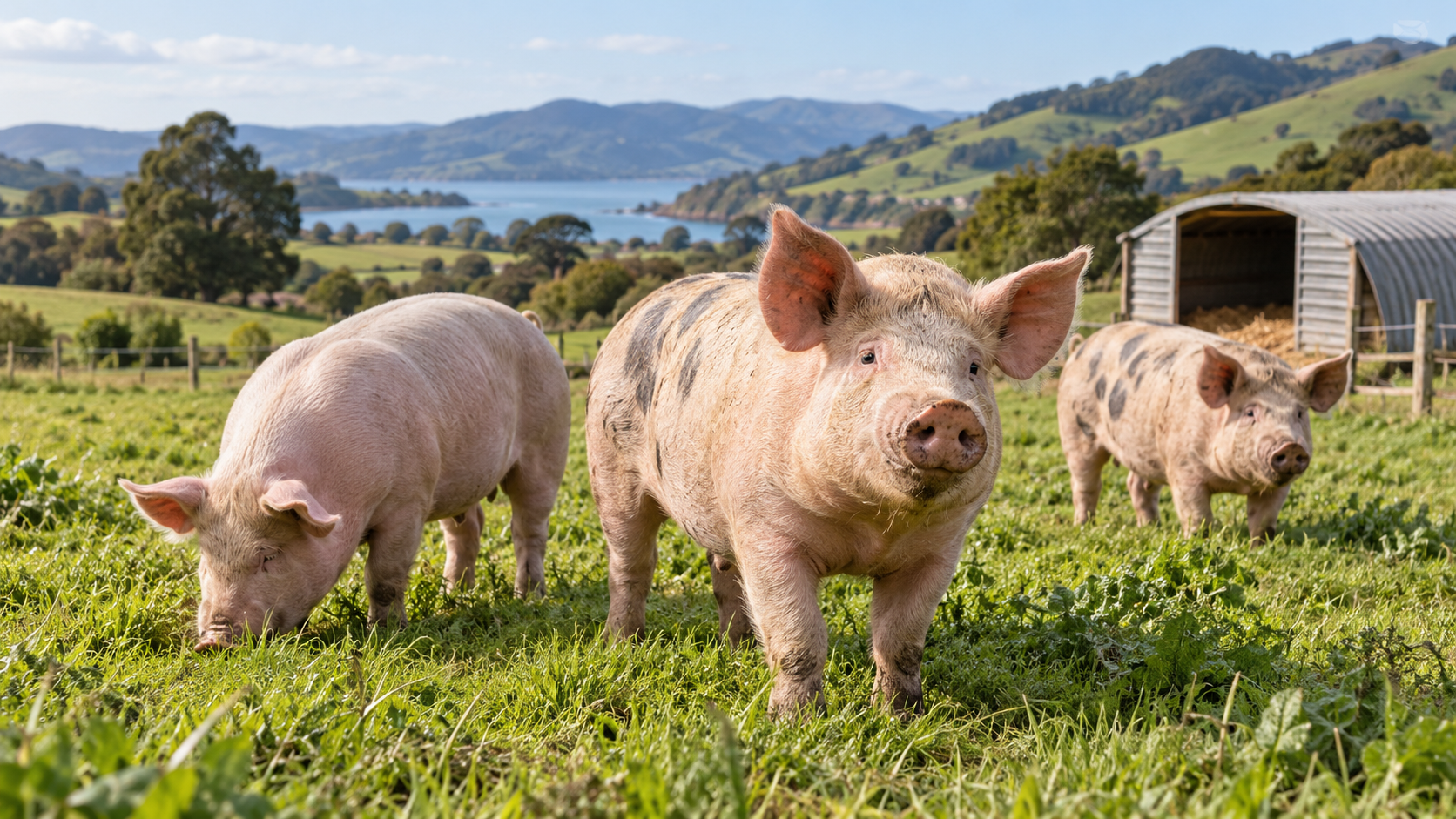
Compare free-range pork by checking the exact farming claim, any independent certification, where the pigs were raised and the price for the cut you need. A cheerful farm picture is not enough evidence. You can make a thoughtful shopping choice without declaring one brand the best in New Zealand.
Read the farming claim precisely
Free range and free farmed should not be treated as interchangeable labels. In its own standards, SPCA Certified describes free-range piglets moving to outdoor rearing after weaning, while free-farmed pigs move from outdoor early life to naturally ventilated barns with deep bedding after weaning.
Use that explanation to ask what the particular product’s claim covers. Do not assume a general farm description proves that every animal spent every stage outdoors. Ask the supplier which published standard supports the wording on the pack.
Free-range wording also does not, by itself, establish an organic certification or a particular country of origin. Check each claim separately rather than allowing one attractive phrase to do all the work.
Look for evidence behind a welfare logo
Check the certification scheme’s own information and whether the specific product is covered. If a supplier describes certification, ask where you can verify the claim and read the standard.
MPI’s welfare-code information distinguishes minimum standards from recommended best practice and includes pigs. That legal welfare framework is different from a particular voluntary shopping label. It does not turn every pork product into an independently certified one.
Choose the evidence that matters to you, such as the rearing system and the conditions addressed by the standard. Avoid assuming that a logo proves taste, nutrition or every possible environmental claim.
Check where the pigs were raised
An address for a New Zealand processor does not answer the same question as the origin of the animal. The Commerce Commission’s origin-labelling guidance explains that origin information for covered meat and cured pork concerns where the animals were raised, rather than where the pork was cured.
Read the product’s actual origin statement. If local farming is part of your buying preference, ask about that directly instead of inferring it from a familiar brand name.
Compare the cut and the complete shopping cost
Supermarkets, butchers and direct-delivery sellers are possible shopping channels, not a ranking. Compare the same cut and usable quantity. Bone, trimming, pack size and what you plan to cook all affect value for your meal.
For a fictional price comparison, a 1kg pack at $22 costs $22 per kilogram. A 1.5kg pack at $30 costs $20 per kilogram before any delivery charge. The larger pack is only useful if it fits your meal plan and storage arrangements. These are invented figures, not current shop prices.
A quick shopping checklist
- What exact rearing claim is made?
- Which standard or certification supports it?
- Does that evidence cover this product?
- Where were the pigs raised?
- Am I comparing the same cut and including delivery?
You do not need to solve the entire grocery aisle in one trip. Pick a claim you care about, ask for evidence and buy an amount that suits your household. Even the Sunday roast can benefit from a little comparison shopping.
* Nectar Money offers competitive unsecured personal loan rates with fixed interest rates from 7.95% to 29.95% p.a., based on your credit profile. A $230 establishment fee and $1.75 administration fee per repayment apply. Strong Credit borrowers may qualify for low, competitive rates from 7.95% to 11.95% p.a.; Good Credit borrowers may qualify for rates from 14.95% to 22.95% p.a.; and Fair or Developing Credit borrowers may qualify for rates from 24.95% to 29.95% p.a. The broad range helps Nectar offer low interest rates to borrowers with excellent credit, while also providing loan options for more New Zealanders, including borrowers with fair or developing credit profiles. Learn more here.
All loans are subject to responsible lending checks and standard borrowing criteria. Please see our privacy policy and rates and terms, or visit our FAQs for the most up to date information. This publication is provided for general information purposes only and does not constitute legal, tax, financial, or other professional advice from Nectar Money. It is not intended as a substitute for obtaining advice from a financial adviser or any other qualified professional. We make no representations, warranties, or guarantees, whether express or implied, that the content in this publication is accurate, complete, or up to date.